Finnish maritime logistics face a systemic catch-22 in transitioning to hydrogen-derived fuels, highlighting a nuanced spectrum of techno-optimism and pessimism. Innovative policy interventions and technological advancements are crucial to overcoming the lock-in of cautious demand and investment.
Navigating the Maritime Transition Challenge
The global climate crisis demands a significant shift in maritime logistics, which have traditionally relied on fossil fuels. This sector, responsible for about 3% of total anthropogenic CO2 emissions, is under increasing pressure to adopt more sustainable practices. The International Maritime Organization (IMO) has set ambitious goals to cut greenhouse gas emissions from international shipping by 70% by 2040 compared to 2008 levels. Despite these targets, emissions continue to rise, highlighting the urgent need for a green transition.
At the heart of this transition is the development of a green hydrogen economy, which could provide low-carbon alternative fuels like methanol and ammonia. However, the path forward is not without challenges. The Finnish maritime sector, heavily reliant on marine transport and recognized for its leadership in environmental and digital technology, serves as a critical case study for understanding these challenges.
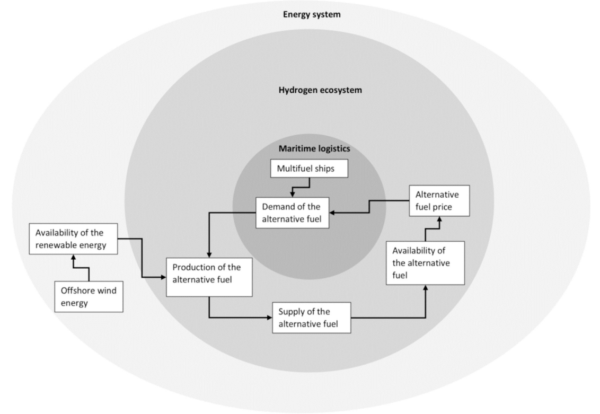
Researchers have identified a systemic catch-22 in the shift to hydrogen-derived fuels. This dilemma stems from a lock-in situation where overly cautious demand for alternative fuels leads to equally cautious investment in supply, perpetuating modest demand. This cycle obstructs the development of the necessary infrastructure and policy interventions essential for a successful transition.
Unpacking the Research Approach
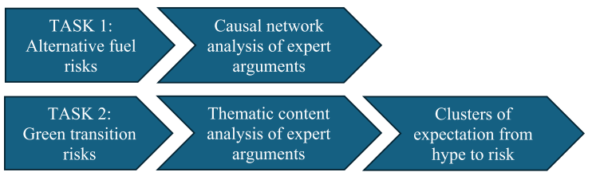
The research employs a comprehensive approach, utilizing causal network analysis and thematic analysis to delve into the intricacies of the hydrogen hype in Finnish maritime logistics. Expert interviews and workshop data form the foundation of this analysis, revealing a spectrum of techno-optimist and pessimist perspectives within the industry.
The causal network analysis highlights the systemic catch-22, demonstrating how cautious demand and investment create a loop that stifles progress. The thematic analysis further investigates this dynamic, identifying two potential pathways to break the cycle: large-scale technological innovations and global regulatory solutions.
Workshops with a diverse range of experts were conducted to devise pathways towards a green and digital future for maritime logistics. These sessions aimed to gather expert opinions on the necessary policy interventions to transition to a new hydrogen economy. The analysis of these workshops revealed differing views on the role of hydrogen and the required policy interventions, with some experts expressing radical optimism and others radical pessimism.
Insights and Conclusions
The study concludes that the performative techno-optimism surrounding hydrogen in Finnish maritime logistics is more nuanced than previously understood. The research identifies a systemic catch-22, where cautious demand and investment create a cycle that hinders the transition to alternative fuels. The thematic analysis suggests two major solutions to this dilemma: technological innovations and global regulatory interventions.
The researchers emphasize the importance of understanding the performativity of hypes, where technological phenomena are expected to materialize into innovation and business practices. However, the current situation reflects a communicative failure, with an abundance of performative utterances about the future not translating into actionable outcomes.
Future Directions and Opportunities
This research provides a critical diagnosis of the implementation gap in the hydrogen economy, offering insights into the systemic challenges facing the transition to alternative fuels in maritime logistics. By highlighting the nuanced spectrum of techno-optimism and pessimism, the study underscores the need for innovative policy interventions and technological advancements to overcome the systemic catch-22.
For stakeholders in the maritime sector, this research offers valuable perspectives on the complexities of transitioning to a hydrogen economy. It invites further exploration and collaboration to develop effective solutions that can break the cycle of cautious demand and investment, paving the way for a sustainable future.
Reference: Nina Janasik, Emilia Luoma, Mikkel Knudsen, Maija Nikkanen, Janne I. Hukkinen. “Cruel utopia of the seas? Multiple risks challenge the singular hydrogen hype in Finnish maritime logistics.” Energy Research & Social Science 129 (2025) 104406. DOI: https://doi.org/10.1016/j.erss.2025.104406