
Driving automation taxonomies are under scrutiny for lacking clarity and adaptability to new technologies. This study examines the SAE J3016 taxonomy, uncovering gaps between its intended expert audience and its broader users, emphasizing the need for updates to better meet stakeholder requirements.
Why Clarity in Automation Taxonomies Matters
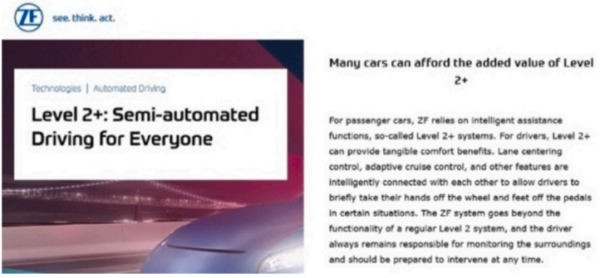
The rapidly evolving field of automated vehicle technology promises to revolutionize road safety and driver comfort. However, as these technologies become more prevalent, the need for clear and effective communication frameworks becomes paramount. Taxonomies serve as essential tools for classifying and organizing the myriad features and design elements of automated systems. Among these, the Society of Automotive Engineers’ (SAE) J3016 taxonomy categorizes driving automation into six levels from no automation (Level 0) to full automation (Level 5).
Despite its adoption, the SAE J3016 taxonomy has faced criticism. Stakeholders, ranging from end users to policymakers, have expressed concerns about its clarity and its ability to keep pace with technological advancements. The taxonomy’s engineering-centric language often complicates interpretation for the general public, leading to misconceptions about the capabilities and responsibilities associated with different levels of automation. For instance, the terminology used in system names can influence consumer perceptions of responsibility, potentially leading to misuse of the technology.
Additionally, the taxonomy’s focus on vehicle-centric, function-oriented perspectives does not adequately address the collaborative potential between humans and machines. This gap can perpetuate misconceptions about the nature of driving autonomy, suggesting a linear progression where more automation is inherently better. Such an approach overlooks the nuanced interplay between human drivers and automated systems, particularly in the middle levels of the taxonomy (Levels 1-4), where partial automation is prevalent.
The implications of these shortcomings are far-reaching. Misunderstandings about automation levels can lead to excessive trust in technology, influencing consumer behavior and potentially compromising safety. Moreover, the taxonomy’s limitations hinder effective communication between industry stakeholders, researchers, and the public, complicating the development and implementation of policies and regulations. As automated vehicle technologies continue to evolve, addressing these issues is crucial to ensure that stakeholders can make informed decisions and foster innovation in the field.
Exploring Stakeholder Interactions
This research undertakes a comprehensive exploration of the SAE J3016 taxonomy, focusing on its evolution, criticisms, and future directions. The study delves into how various stakeholders, including end users, vehicle manufacturers, and policymakers, interact with and utilize the taxonomy in their respective domains. By examining the communication channels through which the taxonomy is conveyed, the researchers aim to uncover the challenges and discrepancies that arise in its application.
A key aspect of the study involves analyzing the taxonomy’s role in shaping consumer perceptions and decision-making processes. The researchers highlight the influence of media reports and marketing strategies on public understanding of automation levels. For instance, the use of terms like “auto” or “automatic” in system names can lead consumers to believe they bear less responsibility for vehicle operation, potentially resulting in misuse of the technology.
The study also addresses the taxonomy’s limitations in accommodating emerging technologies and diverse stakeholder perspectives. The researchers emphasize the need for a taxonomy that not only categorizes automation levels but also considers the collaborative potential between humans and machines. This includes exploring concepts like haptic shared control and the impact of environmental and infrastructural factors on automation deployment.
By synthesizing recent critiques and stakeholder feedback, the research identifies critical factors for future taxonomy development. The goal is to create a framework that is both clear and adaptable, aligning with the needs of various stakeholders while keeping pace with technological advancements. Through this comprehensive analysis, the study provides valuable insights into the current state of driving automation taxonomies and offers guidance for their evolution.
Findings and Recommendations
The research findings underscore the importance of revising and updating the SAE J3016 taxonomy to better align with stakeholder needs and technological advancements. The study reveals significant discrepancies between the taxonomy’s intended expert audience and its actual diverse users, highlighting the need for a more inclusive and adaptable framework.
One of the critical conclusions is that the current taxonomy’s engineering-centric language and vehicle-centric perspective contribute to misunderstandings about automation levels. This can lead to excessive trust in technology and potential misuse, as consumers may not fully grasp the responsibilities associated with different levels of automation. The study emphasizes the need for clearer communication and terminology that accurately reflects the collaborative nature of human-machine interactions.
Moreover, the research identifies the taxonomy’s limitations in addressing the diverse perspectives of stakeholders, including end users, manufacturers, and policymakers. The study calls for a more comprehensive approach that considers the interplay between automated systems and their operational environments, as well as the regulatory and policy implications of automation deployment.
Future Directions for Taxonomy Development
The implications of this research are profound, as it underscores the need for a more inclusive and adaptable driving automation taxonomy. By enhancing the clarity and relevance of the taxonomy, stakeholders can make more informed decisions, fostering innovation and improving communication across the industry. The study’s findings pave the way for future research and development efforts aimed at creating a taxonomy that better serves the needs of all stakeholders.
The authors’ work contributes significantly to the ongoing discourse on driving automation taxonomies, offering valuable insights and recommendations for future directions. For those interested in further exploring this topic or contributing to the discussion, the authors welcome engagement and input from the broader community.
Reference: Kim, S., Novakazi, F., Shi, E., Harms, I. M., & Oviedo-Trespalacios, O. (2026). A Taxonomic Odyssey: Evolution, Criticisms, and Future Directions of Driving Automation Taxonomies – The Case of SAE J3016. Transportation Research Interdisciplinary Perspectives, 36, Article 101858. DOI: https://doi.org/10.1016/j.trip.2026.101858